
It starts with a notification that feels like a winning lottery ticket. You open YouTube, and there he is—Jimmy “MrBeast” Donaldson—looking straight into the camera, promising you the latest iPhone 16 or a cool $10,000 just for clicking a link. The lip-sync is perfect. The voice is identical. The studio lighting is flawless.
There is just one massive problem: It isn’t him.
Welcome to the “Fake Beast” era—a controversy so widespread it is being called a literal “glitch” in YouTube’s safety matrix. While the internet loves to gossip about DogPack404’s recent allegations regarding “illegal lotteries” within MrBeast’s real company, a far more dangerous threat is quietly draining fans’ bank accounts right under our noses.
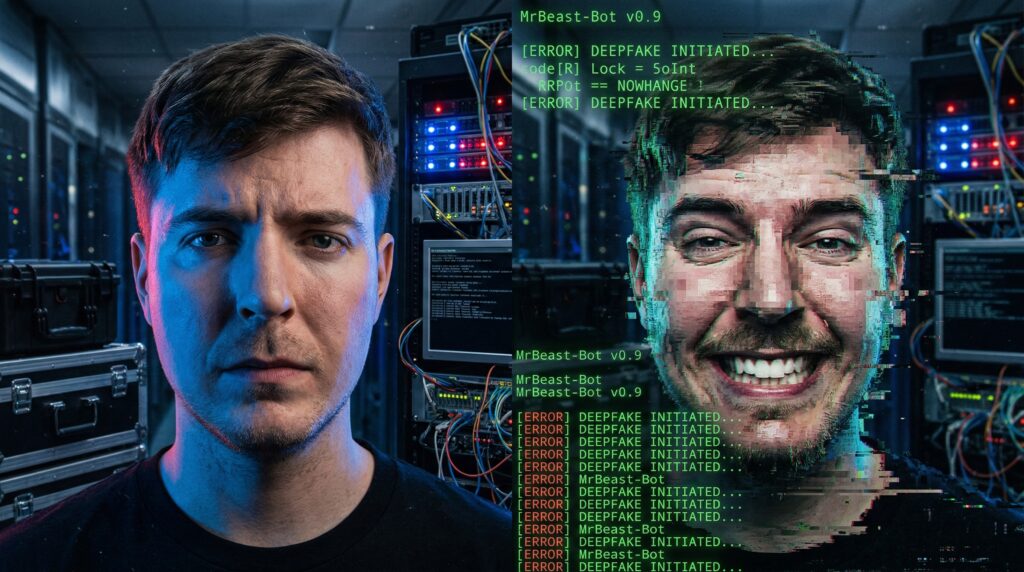
The “Glitch” in the System
This isn’t your grandfather’s Nigerian Prince email scam. We are witnessing a terrifying leap in Deepfake AI technology.
These aren’t just spam bots; they are high-tech “ghosts.” Scammers are using advanced machine learning to clone Donaldson’s voice and face, creating ads that are virtually indistinguishable from his actual content.
Why is this called a “glitch”? Because these ads are doing the impossible: they are bypassing YouTube’s strictest moderation filters.
Historically, YouTube’s algorithm is ruthless. It flags copyright music in seconds. It demonetizes creators for saying “damn” too loudly. Yet, somehow, thousands of these illegal, fraudulent ads are slipping through the cracks, appearing as “Sponsored” content directly on the homepages of millions of users—many of them children.
“I Can’t Control This”
The situation has become so volatile that MrBeast himself has been forced to break character.
Donaldson, usually the king of unshakeable optimism, took to X (formerly Twitter) to issue a rare, serious warning. “Lots of people are getting this deepfake scam ad of me,” he posted, clearly frustrated. “Are social media platforms ready to handle the rise of AI deepfakes? This is a serious problem.”
The subtext is chilling: If the biggest creator on the planet—with a team of high-powered lawyers and direct lines to YouTube HQ—can’t stop his face from being stolen, who is safe?
The “Illegal” Grey Area
This controversy hits at a time when MrBeast’s empire is already under the microscope.
Critics and former employees have recently raised questions about the legality of his massive real giveaways, sparking debates about sweepstakes laws and lottery regulations.
But the deepfake crisis muddies the waters. When a user gets scammed by a “Fake Beast” ad, they don’t blame the anonymous hacker in a basement; they blame the brand. They blame YouTube. The trust evaporates.
Why It Matters Now
This is the tipping point. The “MrBeast Glitch” isn’t just about one YouTuber; it’s a preview of the future of digital consumption.
We are entering an age where “seeing is believing” is a dangerous lie.
YouTube is currently scrambling to patch these holes, rolling out new policies on synthetic media. But for now, the algorithm is struggling to keep up. The “illegal” giveaways are still popping up, ghostly remnants of a system that wasn’t built to fight AI.
So, the next time you see Jimmy offering you a Lamborghini for $2? Don’t click. The only thing you’ll win is a compromised credit card.
Summary: The viral “MrBeast Glitch” isn’t a technical error, but a massive wave of AI deepfake scams that are bypassing YouTube’s safety filters, posing a major threat to user security and the creator’s reputation.
Have you seen one of these “Fake Beast” ads on your feed yet? Let us know in the comments!
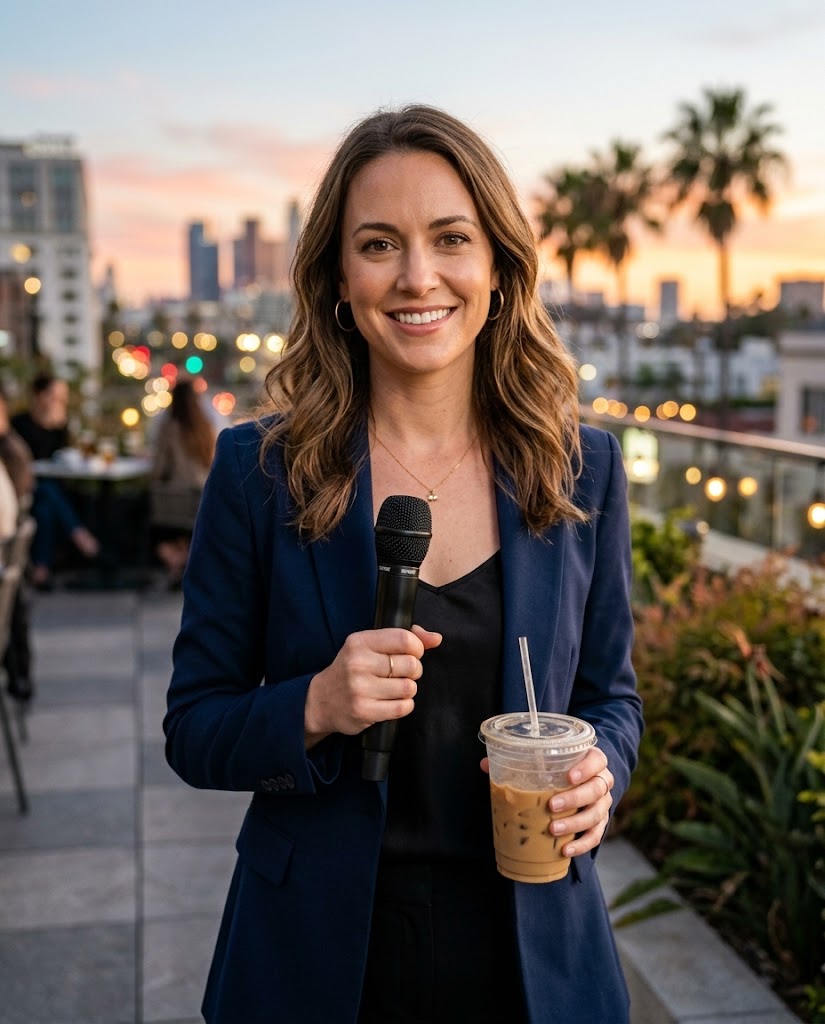
Live from the heart of Los Angeles, Chloe Baxter brings you the hottest scoops from the Hollywood Hills. With over a decade of experience covering red carpet premieres, exclusive after-parties, and viral celebrity scandals, Chloe has her finger on the pulse of Tinseltown.
Known for her sharp wit and deep industry connections, Chloe doesn’t just report the news—she uncovers the stories behind the headlines. From the latest Royal Family drama to breaking updates on music’s biggest stars, she is Newskilo’s go-to source for all things pop culture. When she’s not breaking a story, Chloe can be found hunting for the best iced coffee on Sunset Boulevard.