
Bottom Line Up Front: If you claimed the Earned Income Tax Credit (EITC) or Additional Child Tax Credit (ACTC) and filed early, your refund is currently in a federally mandated “freeze.” This is not an error, and you are not being audited. Under the PATH Act, the IRS cannot release these specific refunds before mid-February. For the 2026 filing season, the agency has confirmed that the vast majority of these refunds will hit bank accounts by March 2, 2026.+2
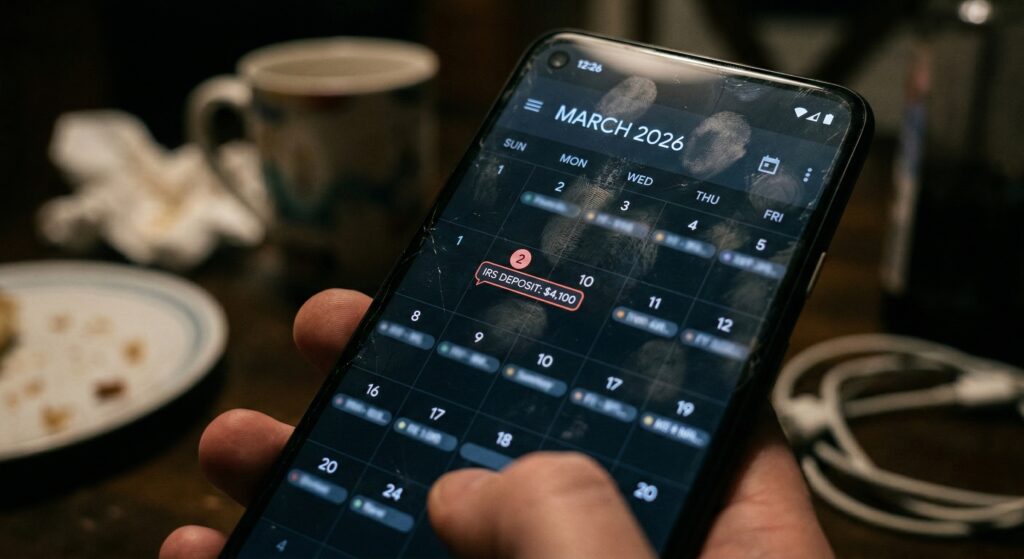
The “PATH Act” Freeze Explained
The delay is caused by the Protecting Americans from Tax Hikes (PATH) Act, a law passed in 2015 (long before the OBBBA).
- The Goal: To prevent identity thieves from filing fraudulent returns early in the season and stealing refundable credits before the IRS can verify wages.
- The Mechanism: The law legally forbids the IRS from issuing any refund containing EITC or ACTC before February 15.
- The Reality: Since February 15, 2026, falls on a Sunday (and Monday is Washington’s Birthday), the IRS cannot effectively move money until the banking system reopens. This pushes the actual deposit date to late February or early March.
The Critical Timeline for EITC/ACTC Filers
If you see “Code 1541” or a generic “processing” message on the Where’s My Refund? tool, do not panic. Here is the schedule:
- Now – Feb 15: Returns are processed, but the money is locked.
- Feb 17 (Tuesday): The IRS begins transmitting the first massive batch of approved refunds to the Federal Reserve.
- Feb 21 (Saturday): The “Where’s My Refund?” tool and IRS2Go app will update with a concrete “Refund Sent” date. Check the tool on this date.
- Feb 27 – March 2: Direct deposits arrive in bank accounts.
Why “March 2” specifically?
While the IRS releases the funds in late February, standard banking friction applies.
- FinTech Banks (Chime, CashApp): May see funds as early as Feb 18–20 because they often advance deposits.
- Traditional Banks (Chase, Wells Fargo): Typically hold the funds for 1-3 business days for fraud checks, landing the money in your account around March 2.
What If I Don’t Get It by March 2?
If that date passes and your account is empty:
- Check WMR: Look for “Topic 152” (Generic Processing) or specific codes like “570” (Income Verification Needed).
- Check the Mail: If the IRS found a math error (common with the new OBBBA deductions), they may have adjusted the amount and sent a letter.
- Bank Rejection: If you used a “Refund Advance” service, the bank may have deducted fees before sending the remainder.
Takeaway: The silence right now is normal. The “freeze” lifts after the holiday weekend. Start checking the IRS tool on Saturday, February 21.
Disclaimer: This article covers IRS refund schedules for the 2026 tax season. Always verify status at IRS.gov

Evan Cole Editor-in-Chief | Breaking News & Public Policy
“From Washington to Wall Street, and Main Street to Hollywood—Evan Cole connects the dots.”
As the Editor-in-Chief at Newskilo, Evan leads a dynamic team of journalists dedicated to uncovering the truth behind the headlines. With over 15 years in digital media, Evan has a reputation for cutting through the noise.
While he is widely recognized for his deep analysis of U.S. fiscal policy (IRS & Stimulus), Evan’s expertise extends to global current events, corporate accountability, and cultural trends. Whether he is breaking down a complex government bill, exposing a tech giant’s failure, or analyzing the societal impact of a viral celebrity moment, Evan’s goal is simple: To tell the stories that shape our world with clarity, accuracy, and integrity.